Starting a Raw Food Diet
Starting a raw food diet may seem simple; however there are actually a number of things to consider to ensure it is a healthy diet and not a health taking diet. In essence the general idea is quite simple, eat more raw foods, but which raw foods and in what proportions? Do you need to supplement or do raw foods provide everything you need in terms of nutrition? We’ll answer these questions and more as we delve into the raw food diet.
Quite simply starting a raw food diet means adding more raw foods into your diet, which means you’ll be leaving out an equal amount of health depriving foods from your diet. That is perhaps the most powerful aspect of a raw food diet; it replaces the harmful foods you were eating with foods that are easier to digest, are not processed, and have more nutritional value.
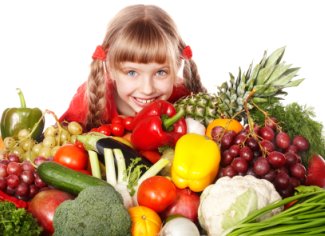
So let’s take a look at the steps involved in starting a raw food diet
• If your friends and family ask, tell them you are including more raw foods into your diet, not that you’re starting a raw food diet. Because of their lack of knowledge on the subject, and their concern for your health they may try to influence your decision to start eating healthier and it could become quite emotionally charged. You want to be able to focus on your new diet, and not have to stress over what other people think and their emotional ties to their way of eating.
• Most people will start slowly by incorporating more healthy raw foods into their diet. Perhaps adding a huge salad in at dinner and having very small portions of other foods. Some people enjoy starting the day with a green smoothie, which is a combination of fruit, greens and perhaps some form of fat. Over time as your body adjusts, incorporate a larger percentage of raw foods into your diet until you’ve reached about 75 to 80% raw foods, which I believe is ideal for most people.
• When starting a raw food diet it’s easy to succumb to the growing number of packaged “raw foods” we see on the internet and on store shelves. Some of these foods do have value, and some may be good transition foods, but they should not make up the majority of your diet. The key is to remember that healthy raw foods are things we find at the farmers market or in the produce section of the market, and are not found in little plastic packages.
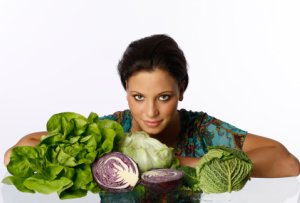
• Eat your greens! This is so important when starting a raw food diet. Leafy green vegetables contain minerals that will be needed as your body detoxifies and to rebuild a healthy strong body. They’re loaded with phytonutrients, chlorophyll, vitamins and fiber, all of which support you body in healthy ways. Green juices are a great way to get large amounts of greens into your body in a way that is easy for your body to assimilate. My recommendation is a least 16 oz. of fresh green juice per day. Check out these
juice recipes.Green smoothies are the next best thing as they are once again easy to digest and can be made more palatable with the addition of some fruit and fat.
• Over-consumption of fruit when starting a raw food diet is a common occurrence and can lead to a multitude of health issues. I believe there are very few people who can thrive on a mainly raw fruit diet long term. Five or six pieces of sweet fruit in the morning and several more at lunch or in the afternoon seem to work well for most people. Some people can handle more fruit than others, and even at that it may not be long term, but just until the body is cleansed. Mixing fruits in with your greens, such as a green smoothie will buffer the sugar from hitting your system all at once. Avoid fruit juice as the lack of fiber allows the fruit sugar to hit your system with a bang. Balance is the key when planning your diet.
• Many people come to this diet with health issues that may require more refining and tweaking of the diet to find what will work best for them. That’s not to say this diet won’t work for them, just that when starting out they may have to make allowances like eating very low fruit, or leaving out certain vegetables or fats. We are also all completely different individuals when it comes to nutritional requirements, even a brother and sister may require a different version of the raw food diet to be healthy. As you go along you will learn what works best for you.
• Much of the general population in developed countries is deficient in vitamin B-12, vitamin D (which you can usually get from exposure to sunlight), colloidal iodine (which can mean thyroid issues), and essential fatty acids (which can be gleaned from flax, chia, and hemp seeds) so when starting the raw food diet keep an eye on those issues and go to a lab or natural health care provider for testing if you think you may have an issue. You can learn more about the vitamins here.While not the norm, some people choose to get a series of blood tests from a natural health practitioner or lab before they start their new diet and then again in a year. This allows them to craft their menus to include any nutrients that may be low, track their progress, and make any necessary adjustments later on.
• Some so-called super foods are just that and do have a place in the raw food diet. Super green powders such as Vitamineral Green and
Ormus Super Greens
are not a substitute for fresh juice, but are a great way to get minerals and other nutrients into your system easily. Other foods like spirulina, chlorella, blue-green algae, sea vegetables, goji berries, and coconut can be beneficial as well depending on your particular needs. I recommend staying away from raw cacao because of its stimulating effect and the toxins it contains. I would be wary of anything that comes from heavily polluted areas like China where most goji berries originate, even if it says they're organic. The important thing to remember is that fresh is best and these products are supportive and should not be your mainstay. If you want more info on these foods or would like to purchase some The Raw Food World would be a good place to visit.
• While not essential to start a raw food diet, some kitchen appliances can be very useful. You may already have some now, if not three items you may want to purchase over time are a
good blender , a good juicer, like the
Hurom Juicer
, a good juicer, like the
Hurom Juicer , which has the ability to juice leafy greens, and a
large food processor.
, which has the ability to juice leafy greens, and a
large food processor. 
These appliances will allow you to be more creative and enjoy some real super nutritional meals.
• When starting a raw food diet set your guidelines and then adjust accordingly as new information becomes available. Be flexible, and don’t follow any one dogma of prescribed eating because it may not be right for you in the long run. Read books and take in information and apply what seems relevant, but don’t follow the prescription of every book you read or you’ll be constantly changing your ways. If you find that your version of the raw food diet is not working don’t throw the baby out with the bath water. Adjust your diet and continue to include as many raw foods in your diet as possible even if it’s only 40% to 50 % raw foods. And remember, what you leave out of your diet is just as important as what you eat.
• Explore this website thoroughly to learn all you can about the raw diet and the keys to success in starting a raw food diet. And be sure to look through our
recipes.Enjoy!
Related Articles
*********************************************
Raw Foods Home > Top of Starting a Raw Food Diet >
MEDICAL DISCLAIMER
The contents of this website and my newsletter are gleaned from my experiences and observations, meant only for educational purposes and not intended to replace medical advice, consultations, or treatment of any kind. I recommend you see your professional health care provider if you suspect you have an illness or disease of any kind. I’m not medically trained, and I would never suggest or imply that I know what is best for someone else’s body or overall health, ultimately each of us is the only one who knows what’s best for us.
Subscribe to Vibrant Living Newsletter!
Search Raw Foods Diet Center
Recent Articles


-
Maria's Healthy Green
Nov 25, 20 10:37 PM
Maria's Healthy green recipe 1/2 a cup of orange juice, coconut water or water 1 cucumber 1 parsley 1 stick of celery some lemon juice some ginger 1 green -
Cabbage Delight
Nov 25, 20 10:35 PM
Cabbage is very healthy for kidneys. But it is very difficult to consume raw juice. To overcome the pungent taste of cabbage, you can try this. Cabbage